▶ Watch the full video on YouTube (also on Monerica Video)
"I have nothing to hide." You've probably heard someone say it, maybe you've said it yourself. It sounds reasonable, but it's the wrong way to think about privacy. Everyone has something worth protecting, and your data has probably already been leaked somewhere. If you get calls, texts and emails you never asked for, that's your data at work.
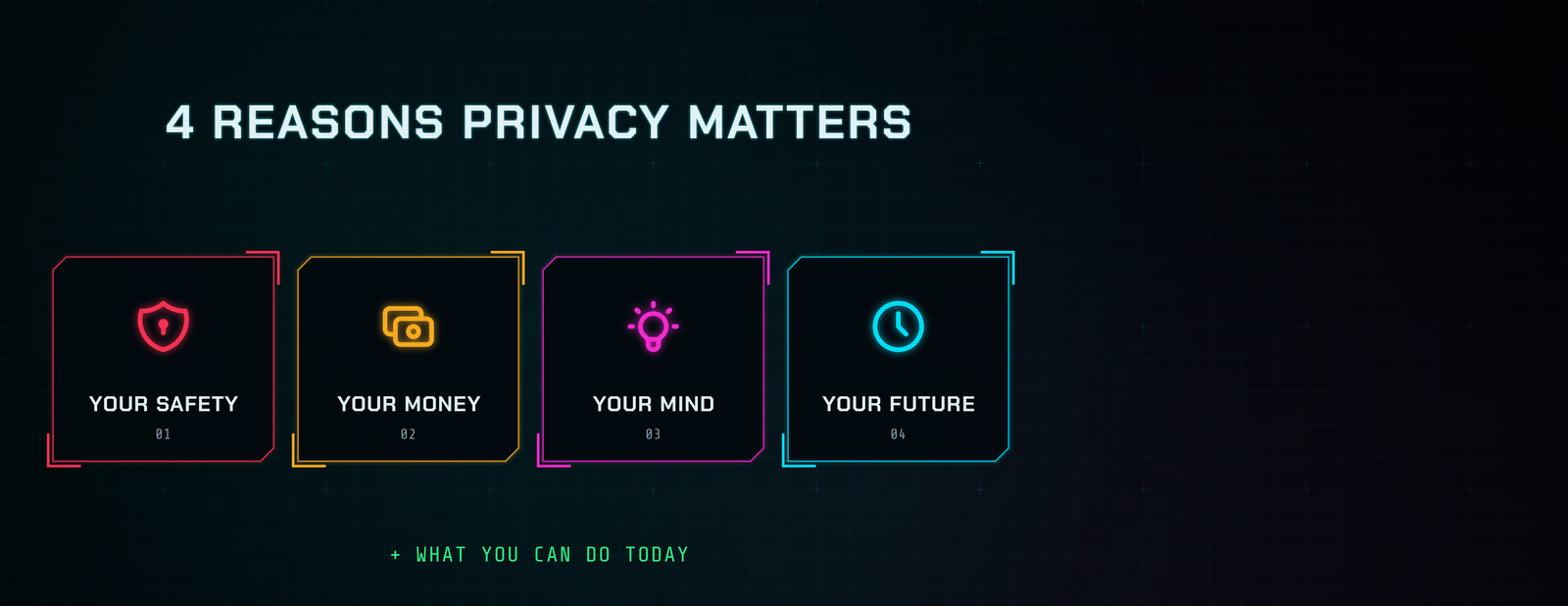
This article covers the four reasons internet privacy matters (your safety, your money, your mind and your future), who is collecting your data, and the simple steps you can take today.
Disclosure: the video this article is based on is sponsored by Xeovo, a VPN that accepts Monero. The sponsor section is clearly marked below.
Privacy is not secrecy
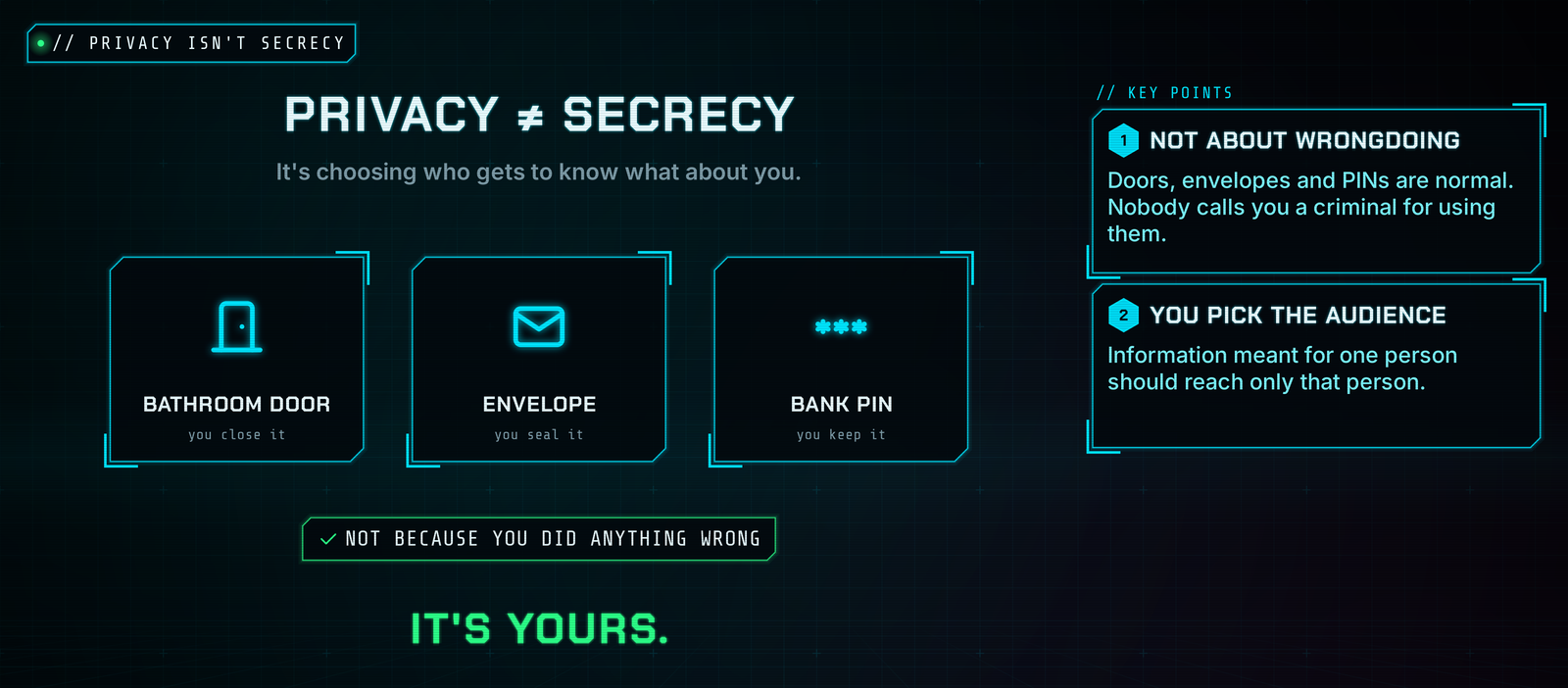
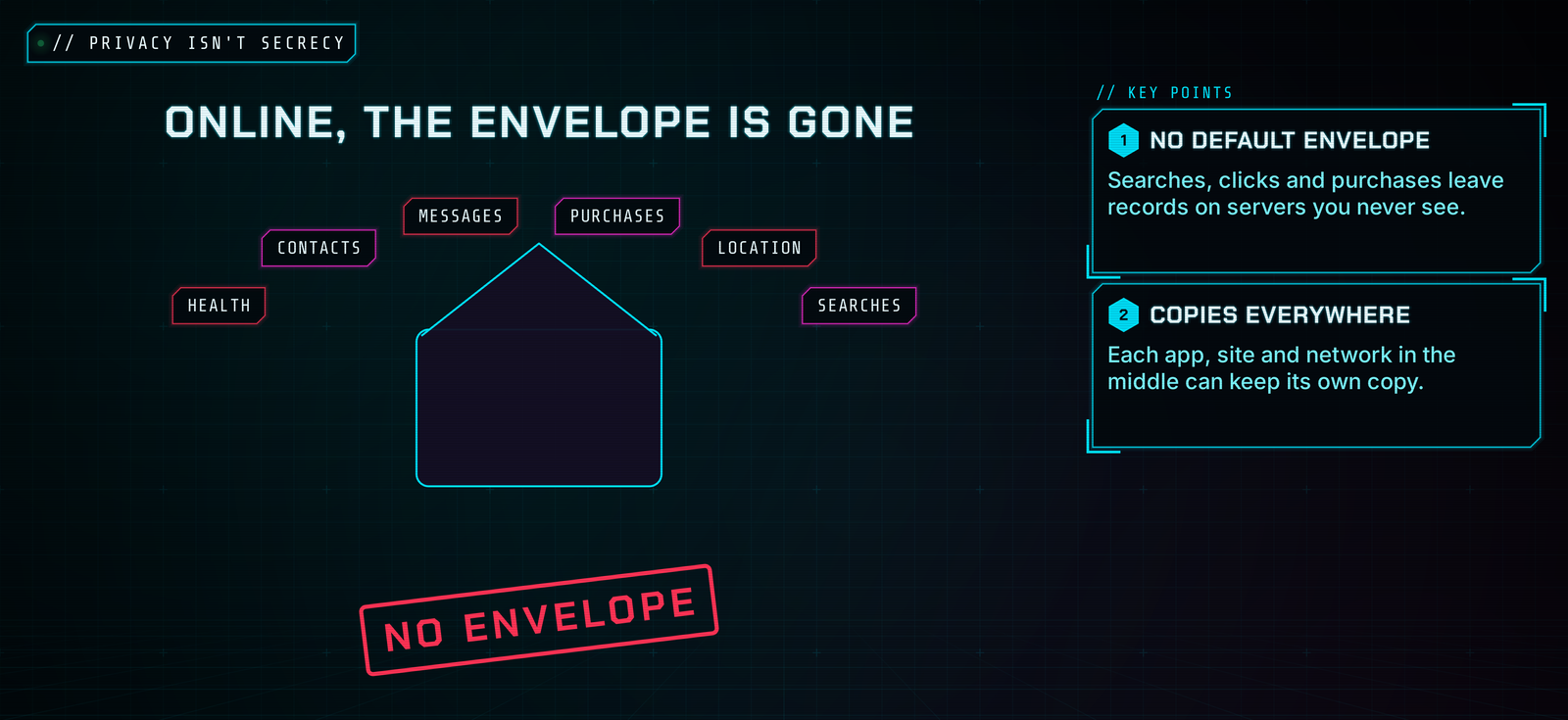
Privacy isn't about hiding something shameful. It's about controlling who has access to your information. You close the bathroom door. You put a letter in an envelope. You type a PIN at the ATM. None of that is because you're doing anything wrong. It's because some things are yours, and they're meant only for the people you choose.
Online, most of those protections simply don't exist by default. There's no envelope. Your searches, clicks, purchases and messages leave records on servers you'll never see, and every app, site and network in the middle can keep its own copy.
Who is collecting your data?
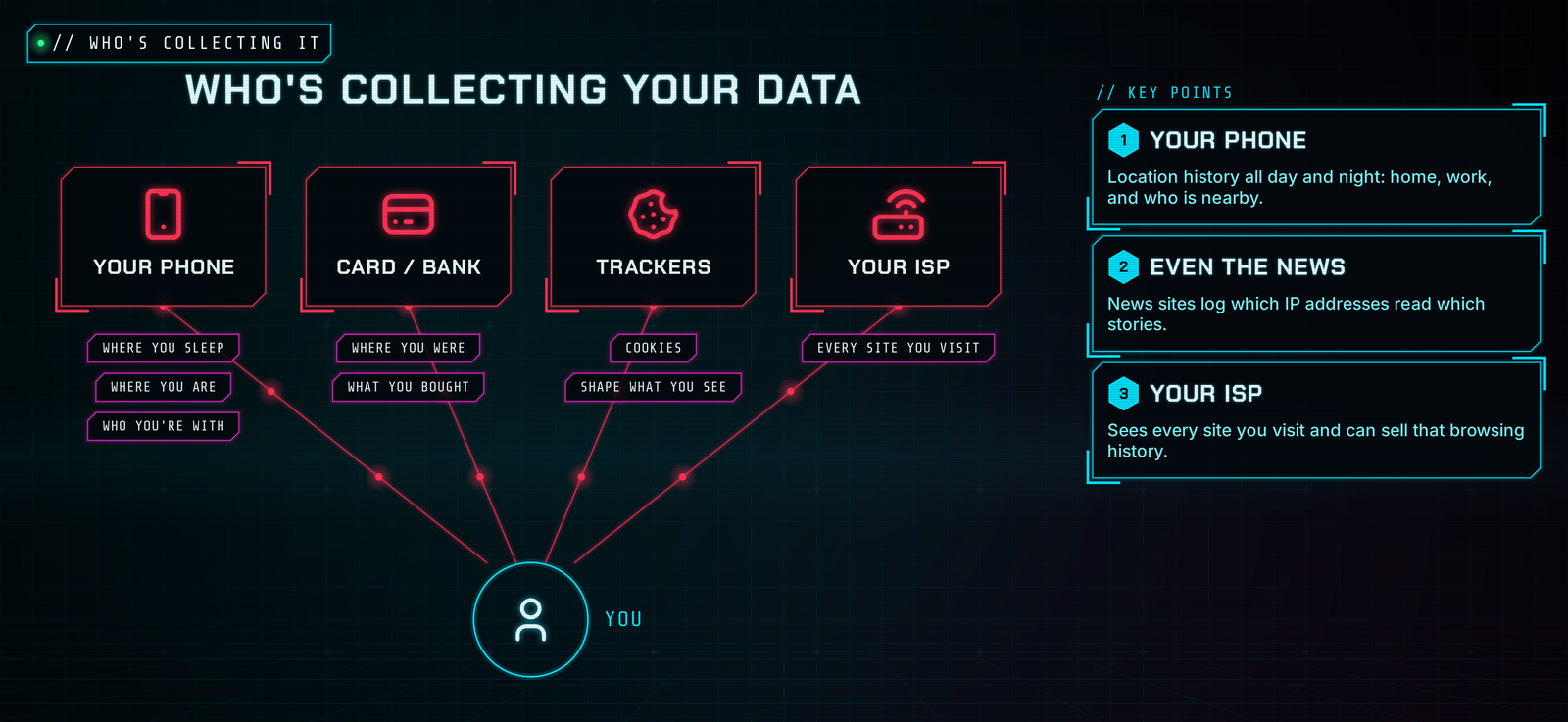
A lot of different companies and organizations are collecting data about you, all the time:
- Your phone logs where you slept, where you are, what you're doing and who you're with.
- Your credit card records where you were and what you bought.
- News sites and other websites log which IP addresses read what.
- Trackers and cookies follow you around the internet and shape what you see.
- Your internet service provider sees every website you visit, and it can sell that information because it's profitable (the FTC found major ISPs collect and share far more than customers expect). What do you get out of it? Nothing.
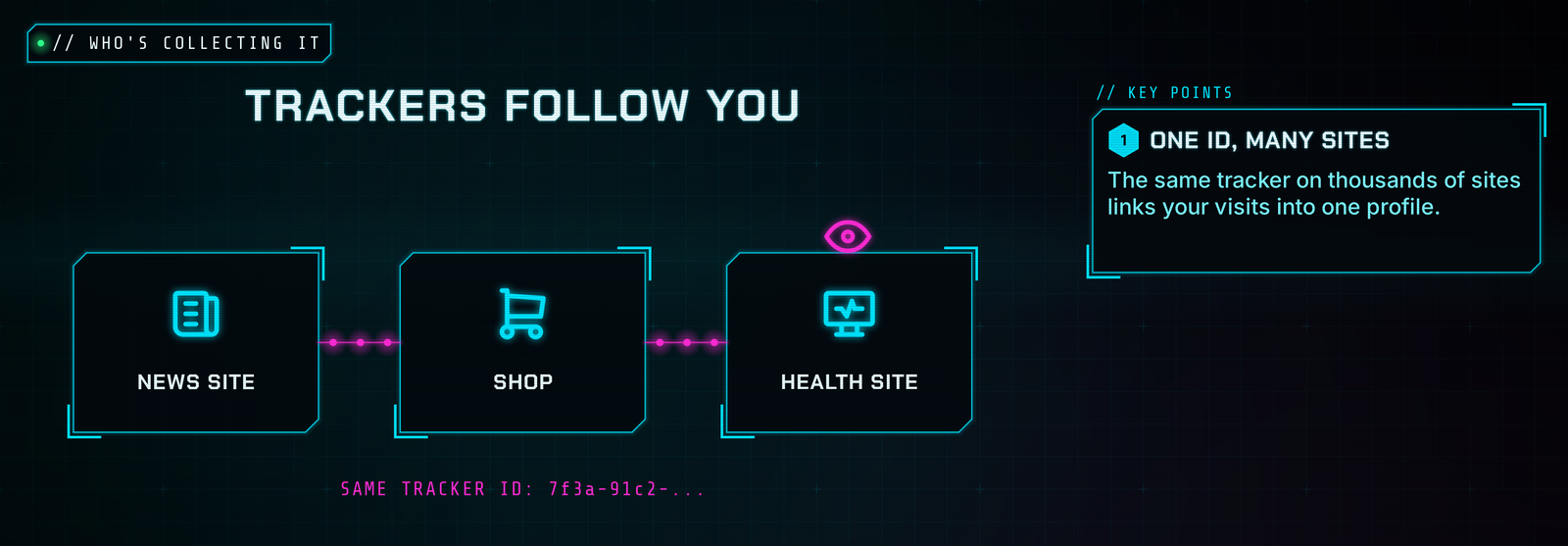
Website trackers are especially effective. The same tracker sits on thousands of sites, so your visit to a news site, a shop and a health site gets linked into one profile. Having worked in online marketing, I can tell you this works very well.
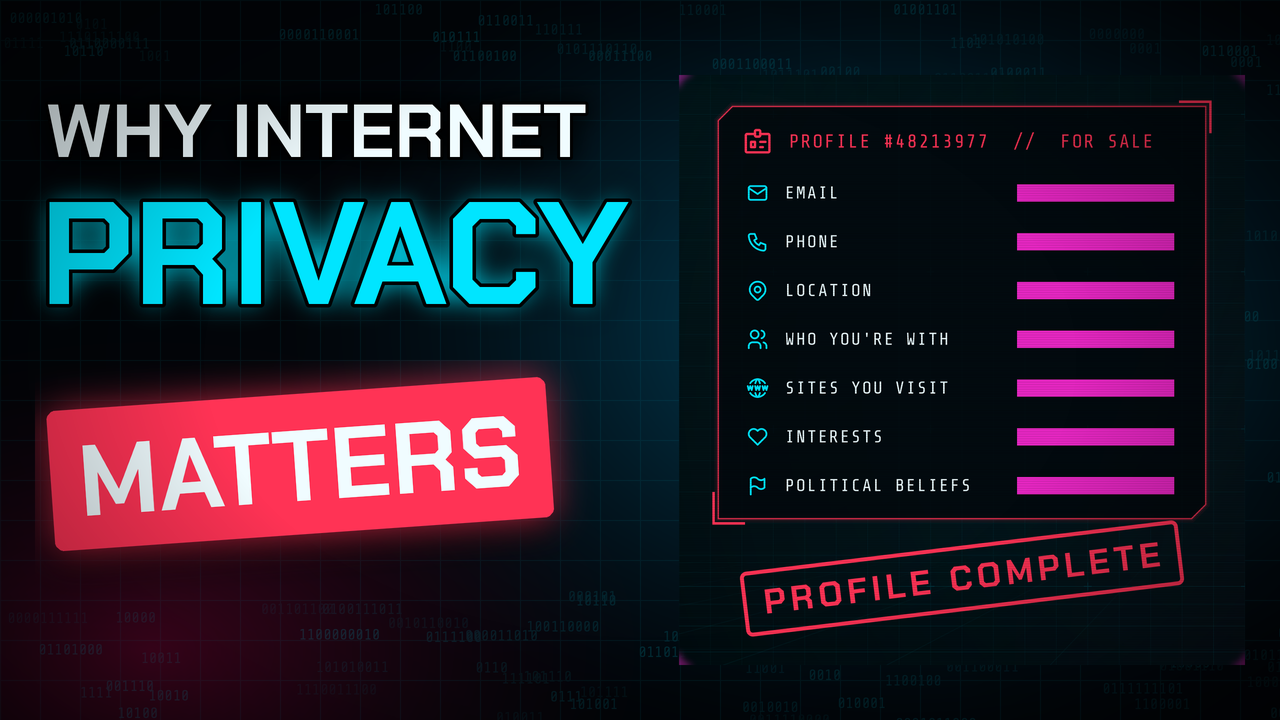
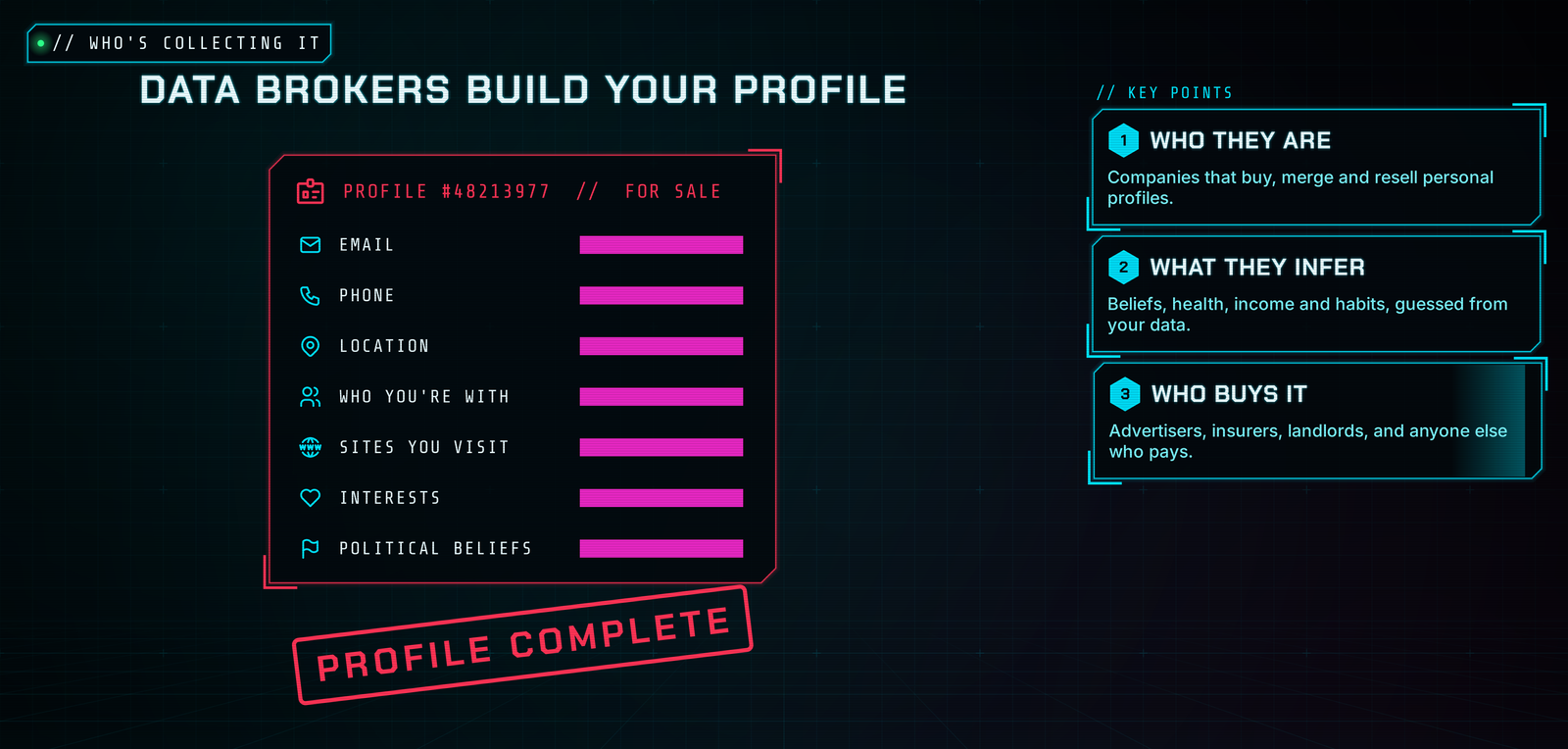
Then there are data brokers: companies that buy, merge and resell personal profiles. Your email, phone number, location, who you're with, the sites you visit, your interests and even your political beliefs end up in a profile that's for sale to advertisers, insurers, landlords and anyone else who pays.
Why does all this matter? Because data about you shapes what you think and what you do, often without you even knowing it. Here are the four reasons.
Reason 1: Your safety
Every company that has your data is one hack away from losing it. A few recent examples:
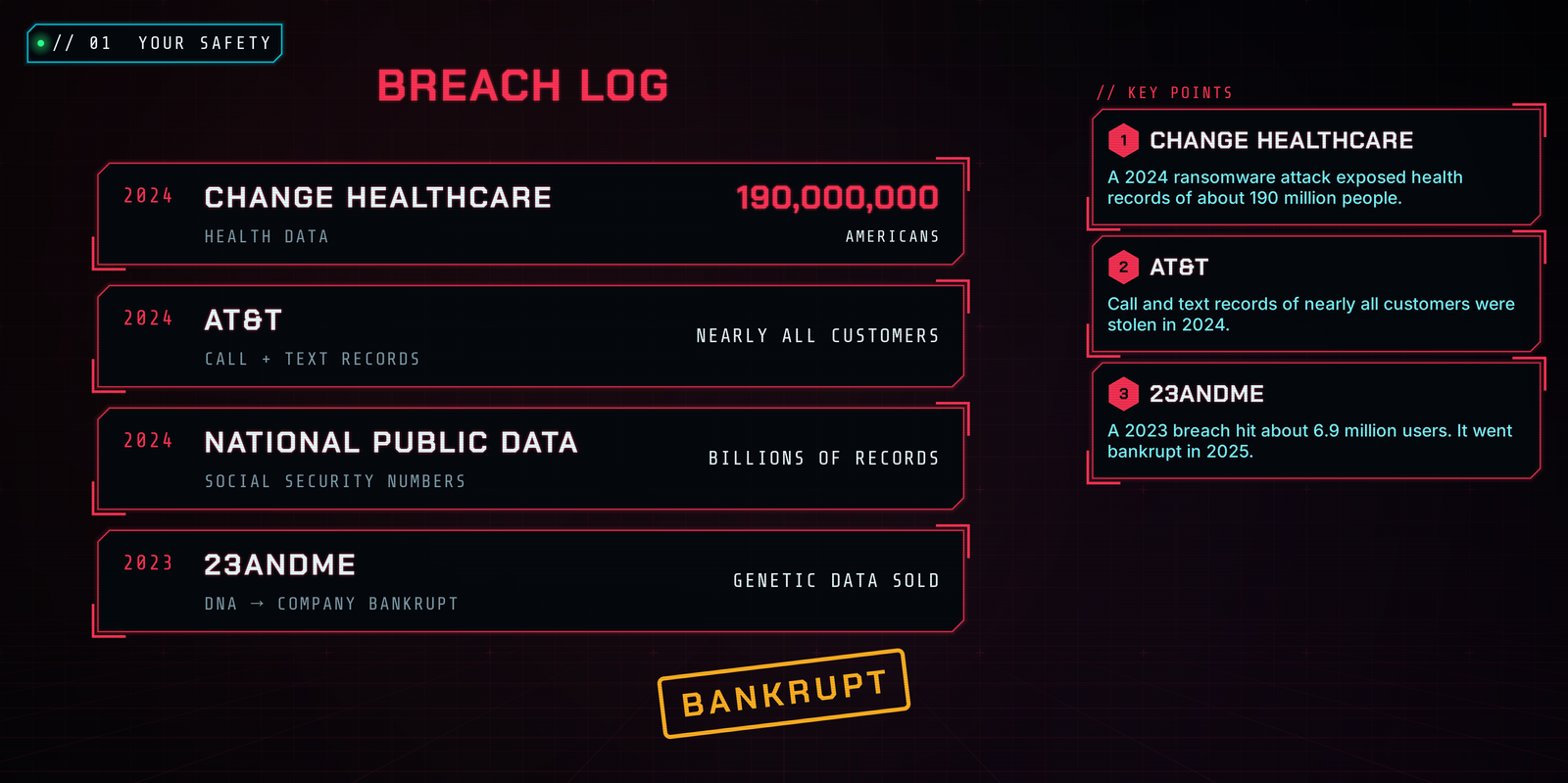
- Change Healthcare (2024): a ransomware attack exposed health records of about 190 million Americans.
- AT&T (2024): call and text records of nearly all its customers were stolen. Do you like that someone can see who you talk to?
- National Public Data (2024): billions of records, including Social Security numbers, were leaked, fueling identity theft.
- 23andMe (2023): a breach hit about 6.9 million users, and the company went bankrupt in 2025. Genetic data about who you are can't be changed like a password.
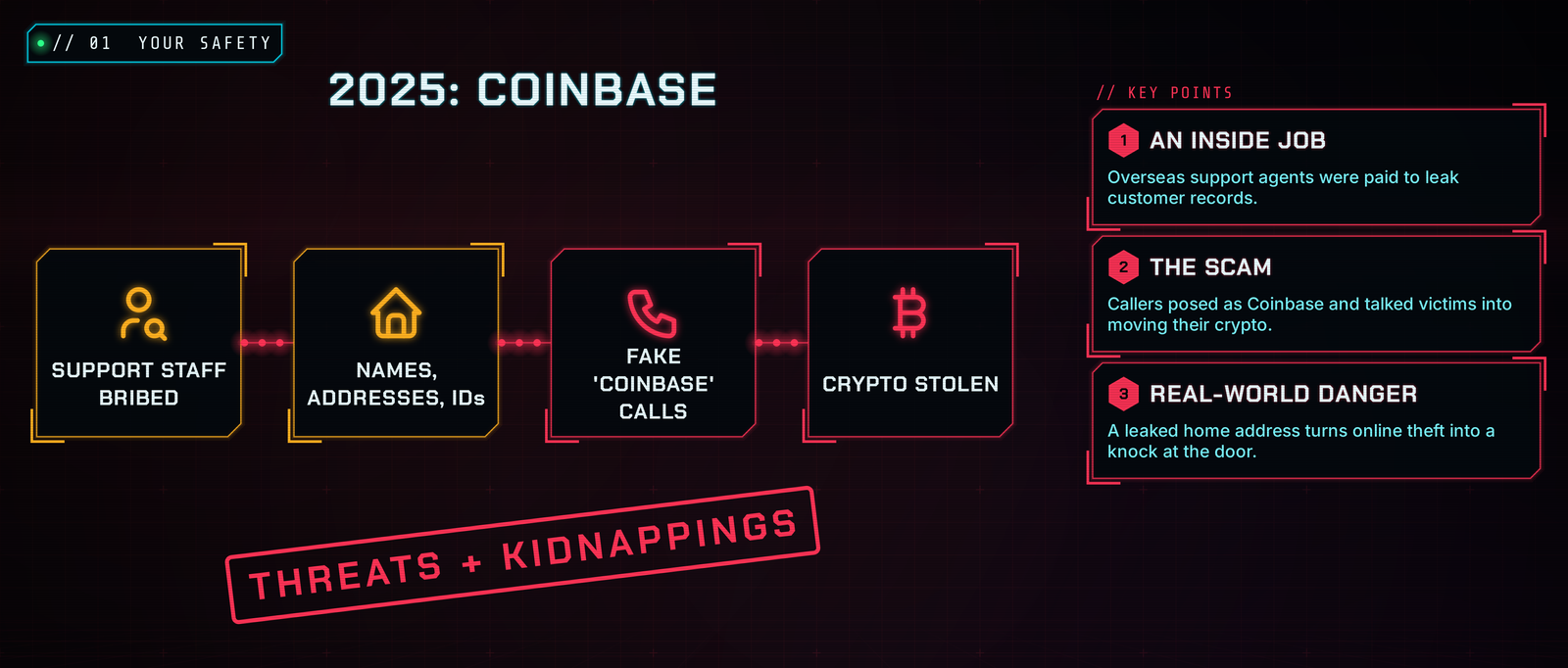
In 2025, Coinbase disclosed that overseas support agents had been bribed to leak customer records, including names and home addresses. Criminals then posed as Coinbase and talked victims into moving their crypto. Leaked home addresses turn online theft into real-world danger: threats, violence and kidnappings.
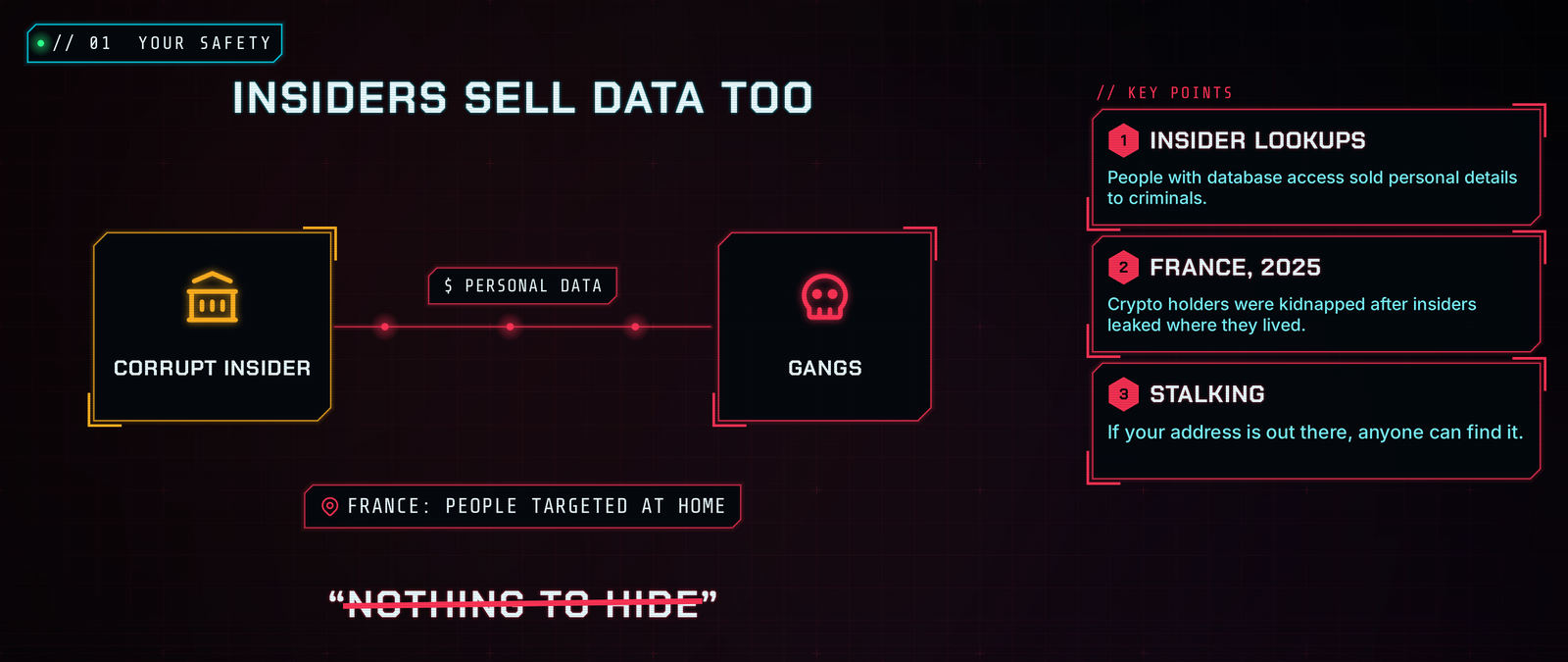
You might think the government is a safe place for your data, and that filling out every form it asks for makes you a good citizen. But governments are made of people, and some of them are corrupt. In France in 2025, during a wave of kidnappings targeting crypto holders, a government employee was charged with looking up personal information and passing it to criminals. Maybe those victims had "nothing to hide" too. If your address is out there, anyone can find it.
The simple fact: the only data that can't be leaked is data that was never collected in the first place.
Reason 2: Your money
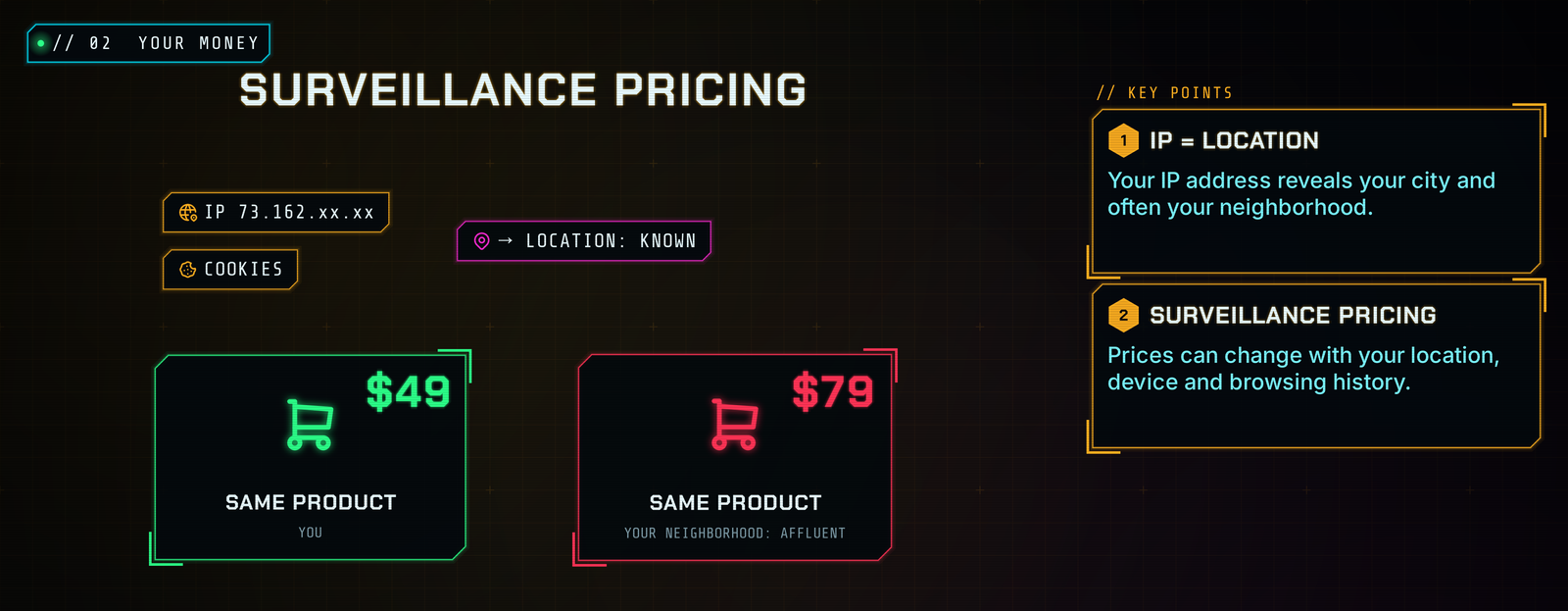
Your IP address and cookies reveal your city and often your neighborhood. When a company knows who you are and where you live, it can charge you more, because maybe you're from a wealthier area. This is called surveillance pricing: the same product, a different price for different people. The FTC's 2025 study found companies use location, browsing history and other personal data to set individual prices.
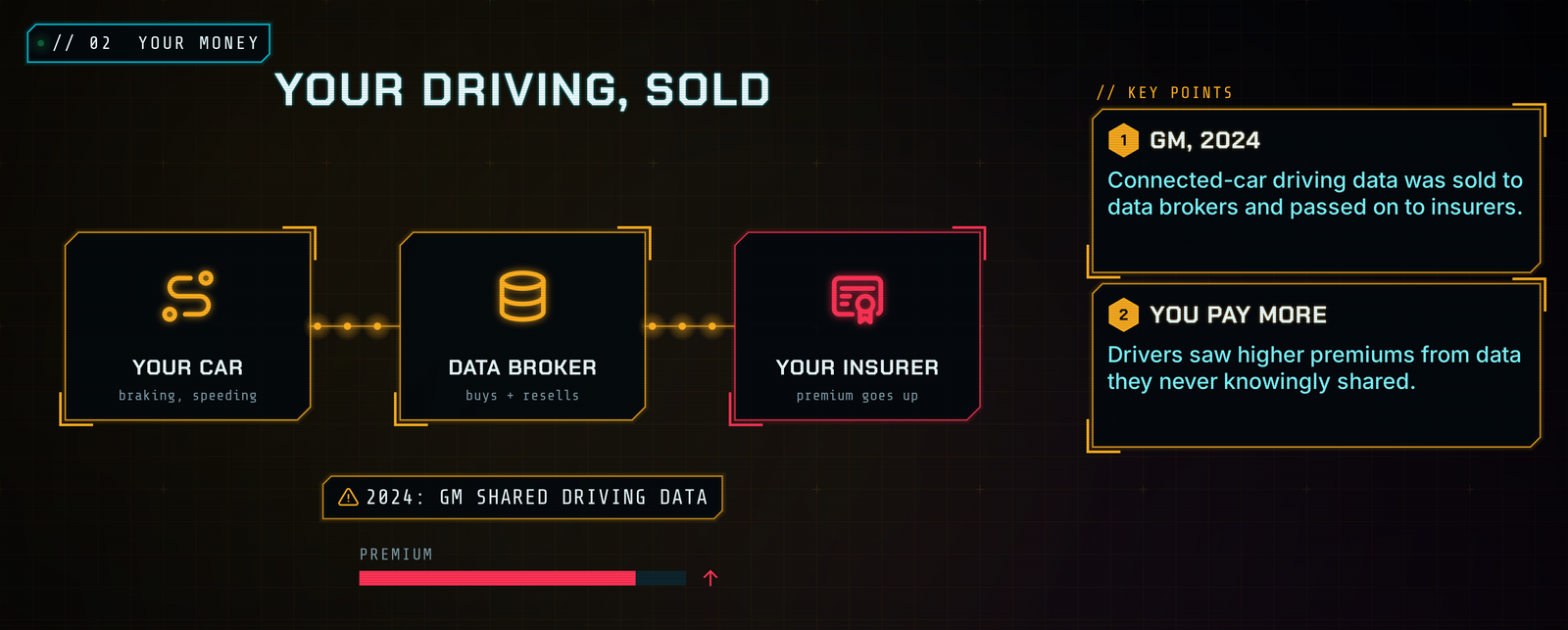
Did your car insurance just go up for no clear reason? In 2024 it came out that GM had been sharing drivers' braking, speeding and trip data with data brokers, who passed it to insurers. The FTC later banned GM from selling that data to consumer reporting agencies. Many drivers saw higher premiums based on data they never knowingly shared.
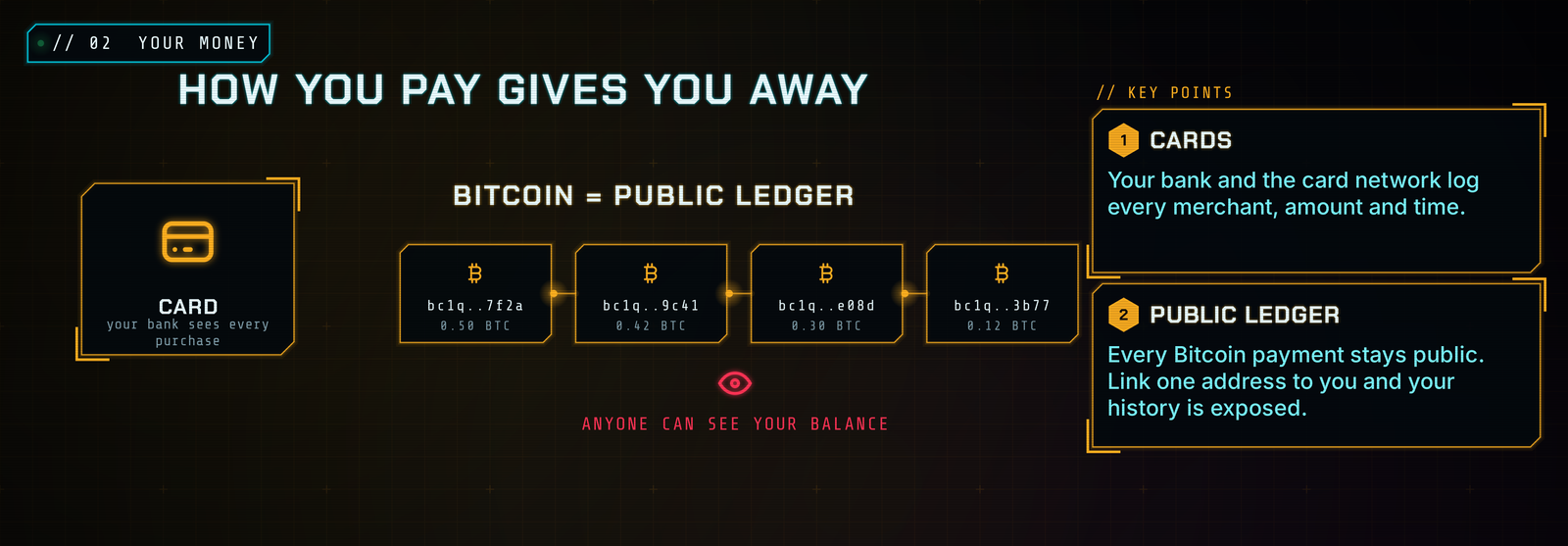
How you pay gives away a lot too. Card payments are logged by your bank and the card network: every merchant, amount and time. And Bitcoin isn't the private alternative people think it is. It's a public ledger: link one address to you, and anyone can see your balance and payment history.
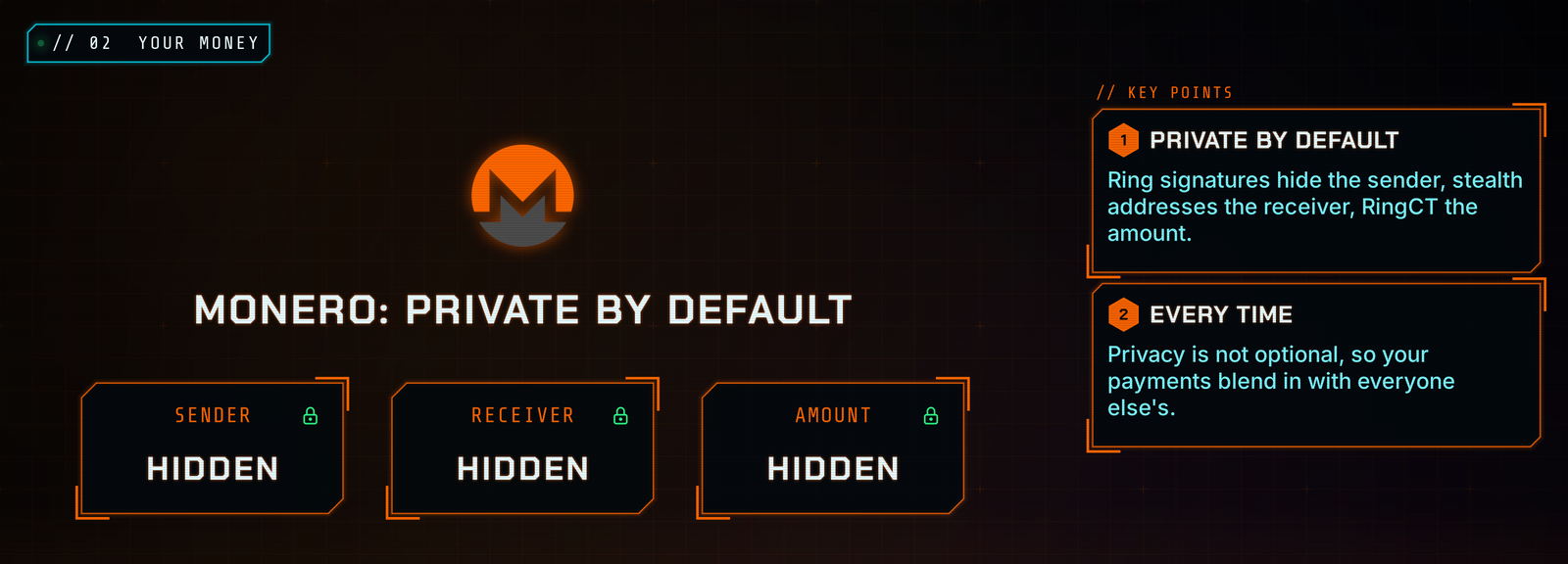
That's why Monero is such a good choice. It hides the sender, the receiver and the amount on every transaction, by default. Privacy isn't optional, so your payments blend in with everyone else's. For more, see Bitcoin vs Monero and Is Monero traceable?
Reason 3: Your mind
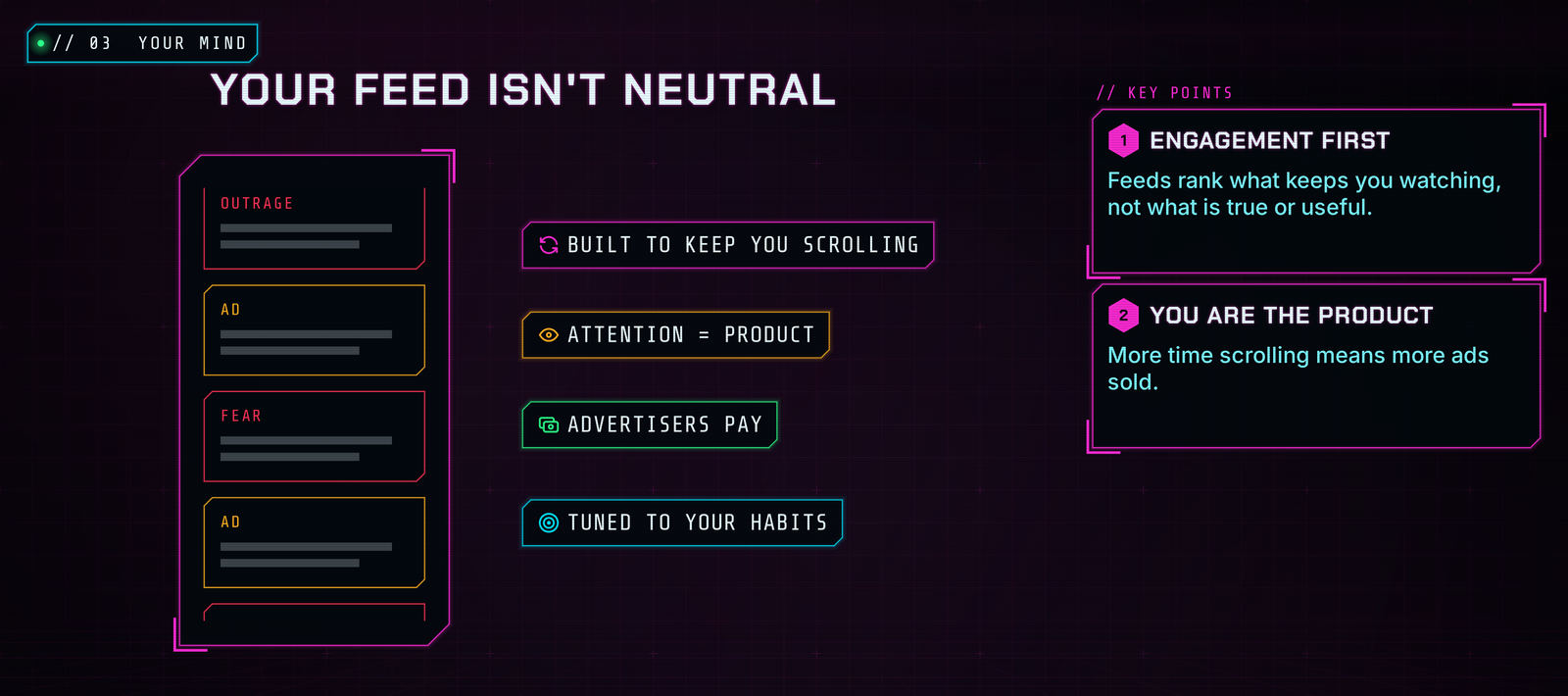
The more people know about you, the more they can steer you. Your social media feed isn't a neutral list of useful information. It's built to keep you scrolling, because more time scrolling means more ads sold. Outrage and fear keep you watching, so that's what you get more of.
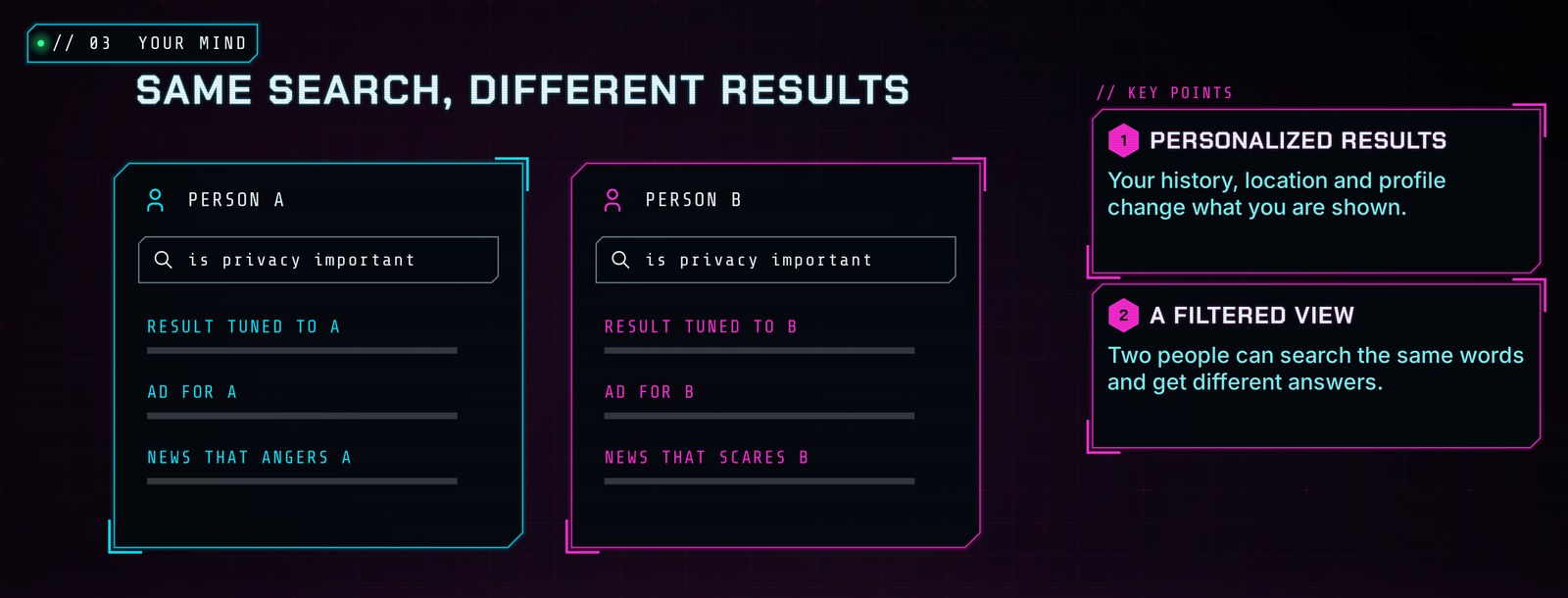
Search works the same way. Two people can search for the exact same words and get different results, tuned to their history, location and profile.
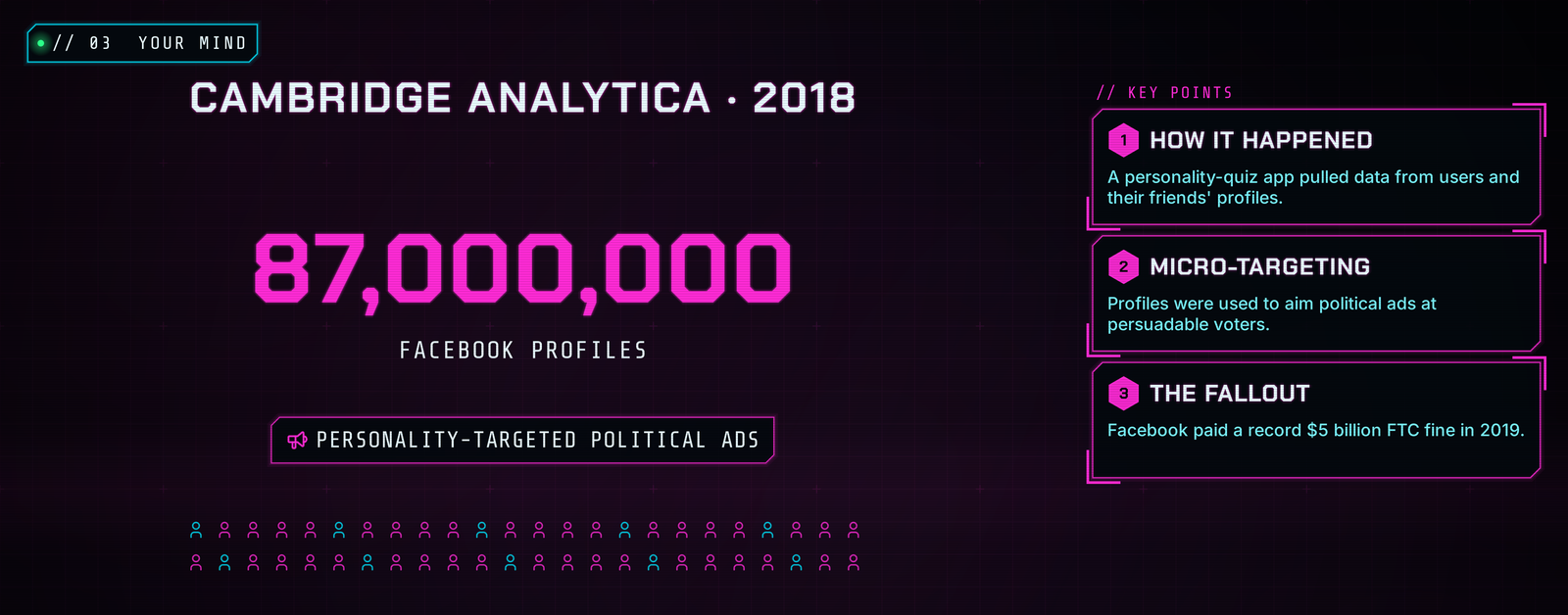
And then there's Cambridge Analytica. In 2018 it came out that a personality-quiz app had pulled data from up to 87 million Facebook profiles, which were then used to target political ads. Facebook later paid a record $5 billion FTC penalty in 2019.
Nobody forced you to think anything. But by showing you only what they want you to see, and knowing exactly who you are, they can in effect shape what you think. Privacy keeps your thoughts your own.
Reason 4: Data is forever
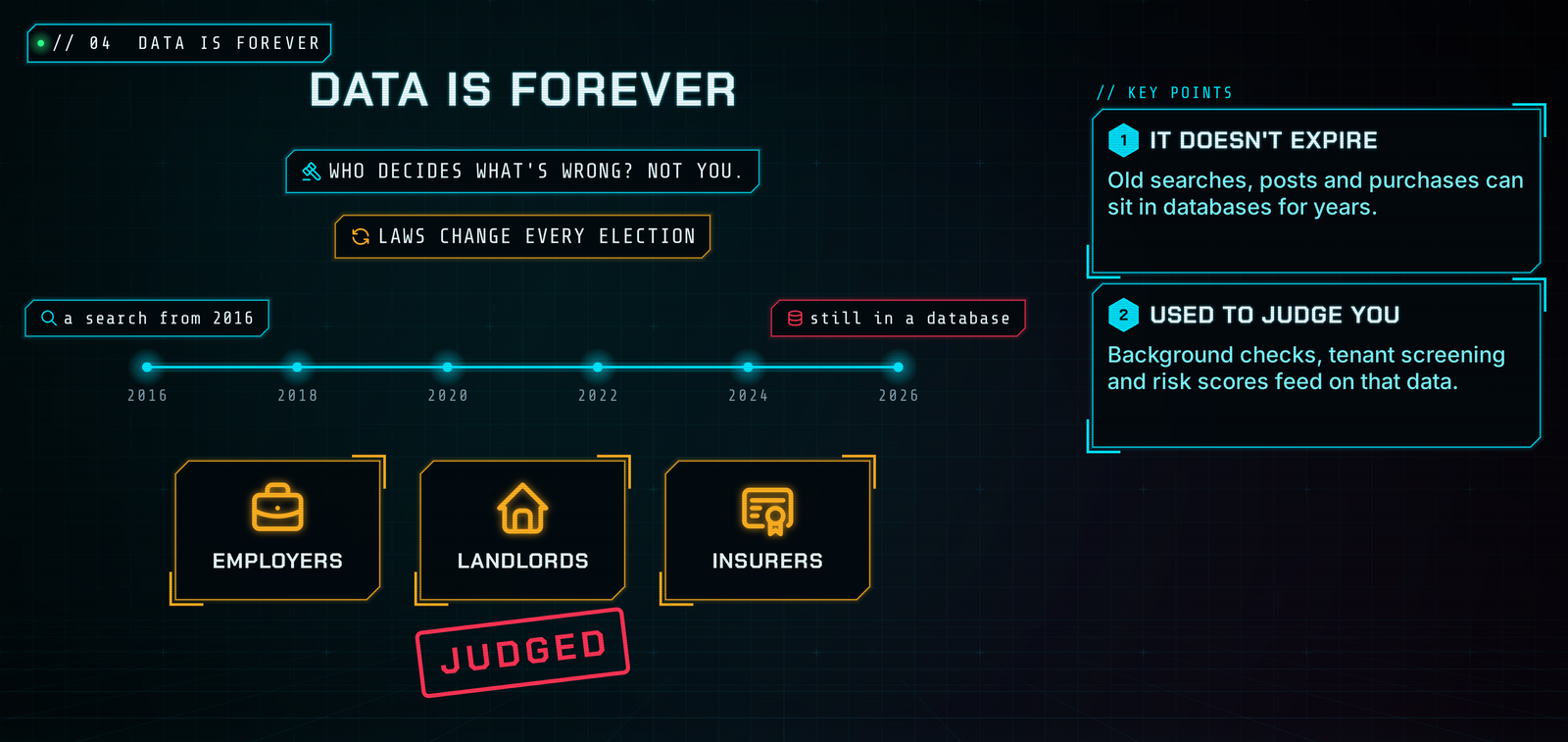
You don't get to decide what's considered wrong, and the rules change every election cycle. Something you searched for ten years ago can still be a problem today, or ten years from now. Employers, landlords and insurers will use any data they can get, and by "use" I mean judge you in ways you can't control.
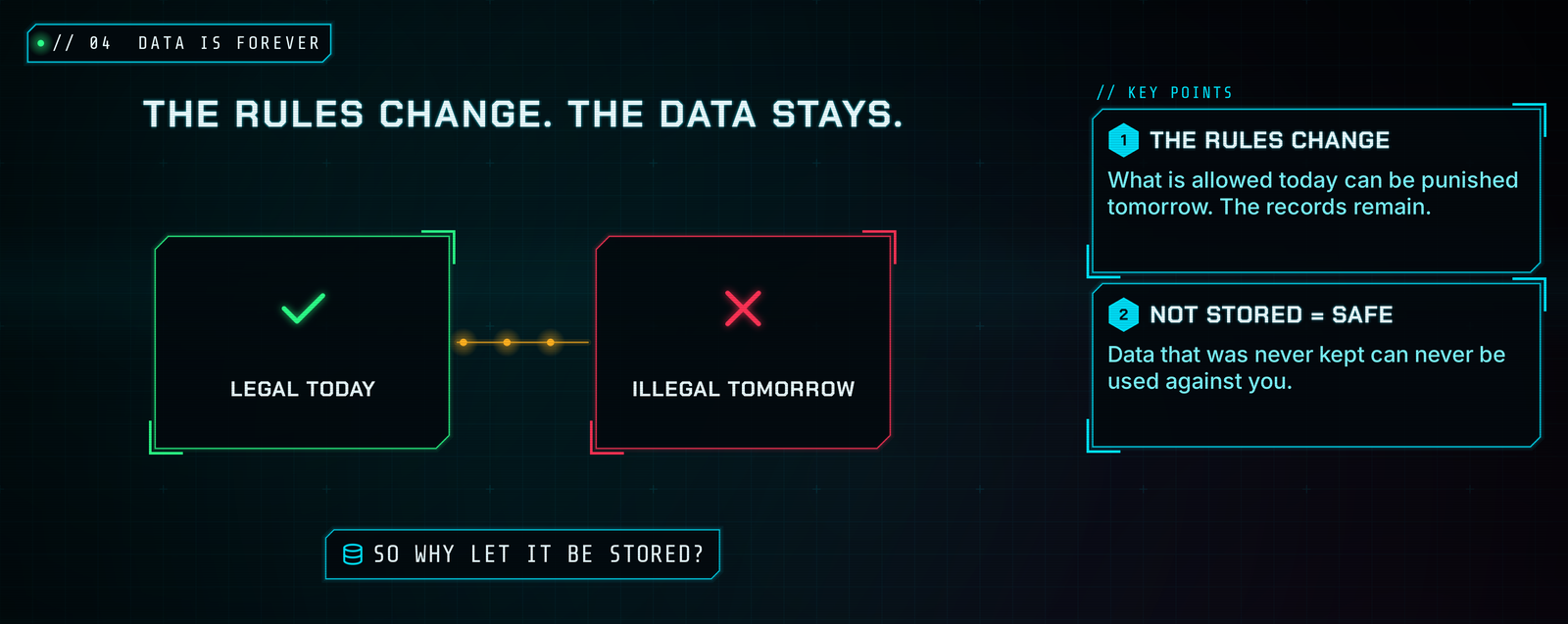
What's legal today may be illegal tomorrow, and the other way around. So why let that data be stored at all? You don't need to be a criminal to need privacy. You just need to be awake and aware of how the world changes.
Sponsor: Xeovo VPN
This section is sponsored by Xeovo.
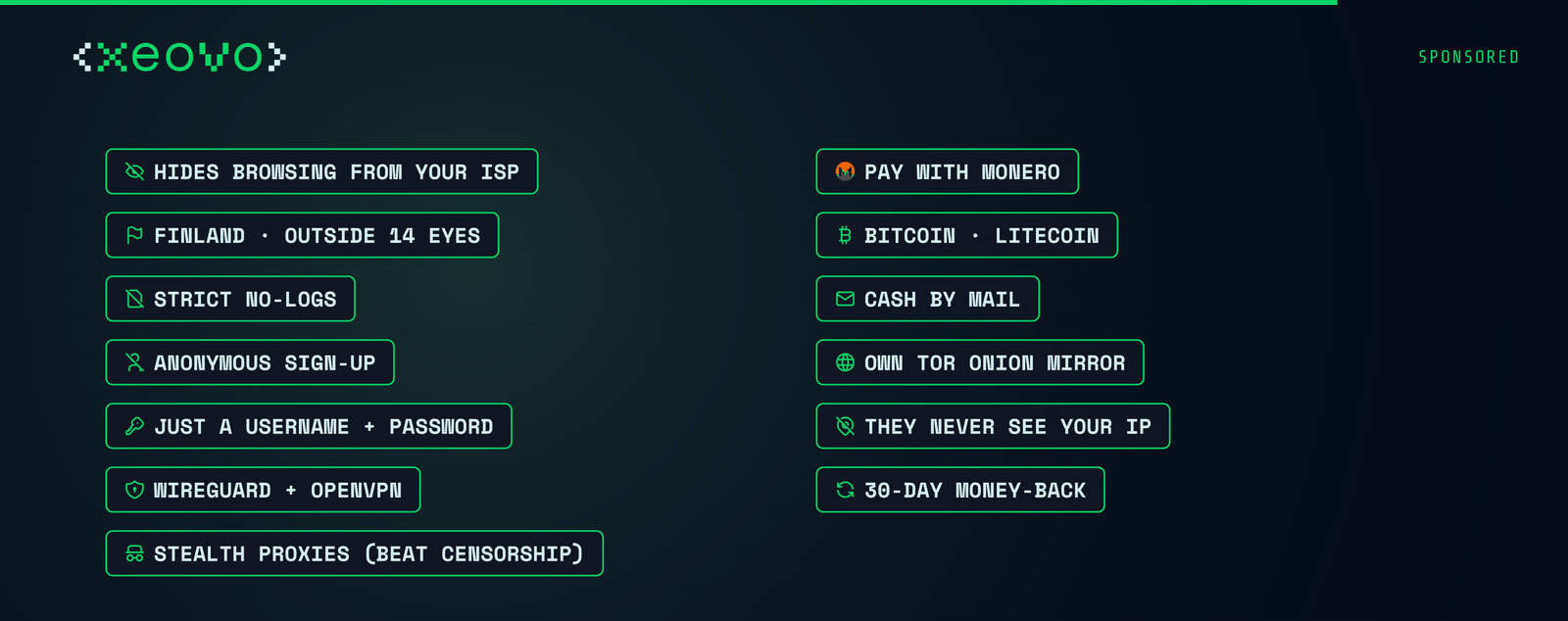
Xeovo hides your browsing from your internet service provider, which is what a VPN actually does. They're based in Finland, outside the 14 Eyes surveillance alliance, with a strict no-logs policy and anonymous sign-up: just a username and a password. They support WireGuard and OpenVPN, plus stealth proxies for people in places that censor the internet.
You can pay with Monero, which isn't tied to your bank account or your identity. They also take Bitcoin, Litecoin and even cash by mail. They run their own Tor onion mirror, so you can sign up without them ever seeing your real IP address, and there's a 30-day money-back guarantee.
Visit xeovo.com (that's X-E-O-V-O).
What you can do today
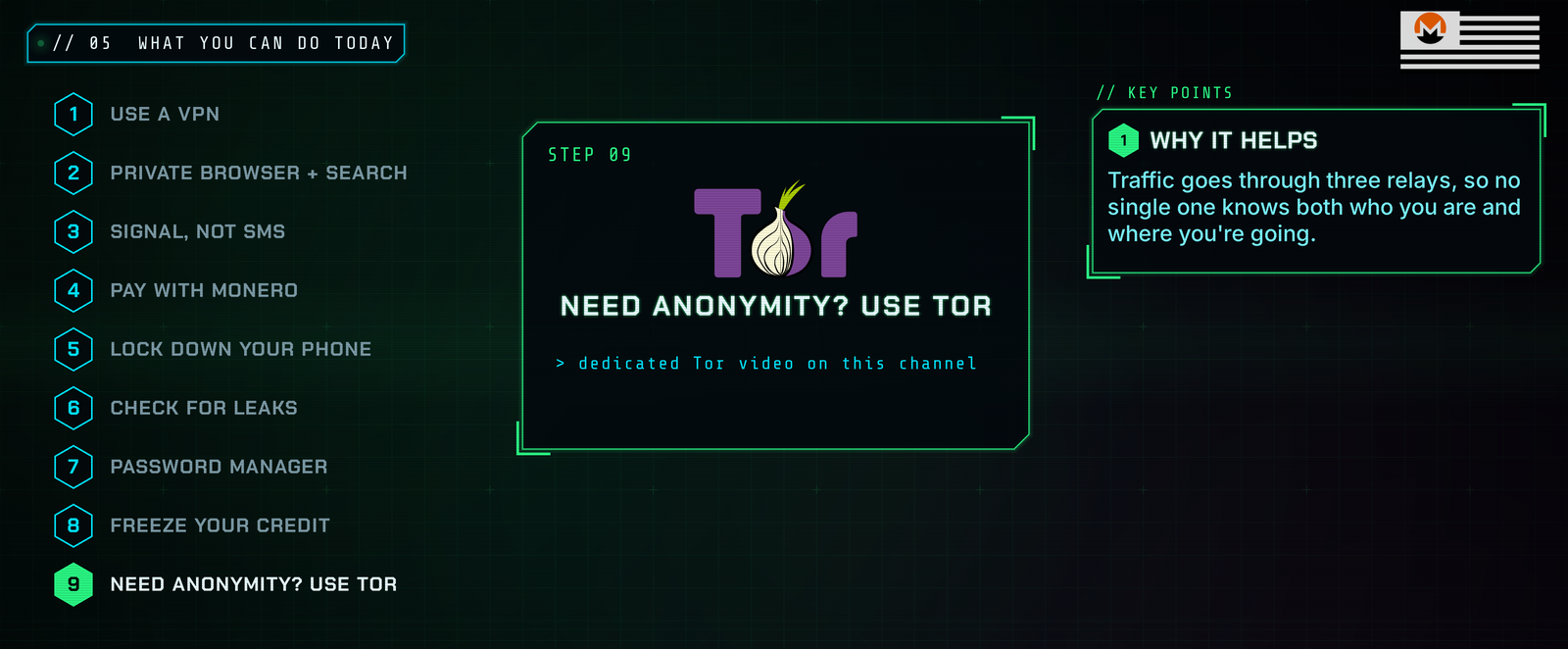
You don't need to disappear from the internet. You just need to stop giving your data away for free. Here are nine steps:
- Use a VPN. Your internet provider stops seeing every site you visit, and websites no longer see exactly where you are. See Should you use a VPN? and the best no-KYC VPNs you can pay for with Monero.
- Use a private browser and search engine. Try Brave, Mullvad Browser or the DuckDuckGo browser, with a search engine that doesn't store or profile you, like Brave Search or DuckDuckGo.
- Use Signal instead of SMS. Plain text messages aren't encrypted. Signal is.
- Pay privately with Monero. That's the entire point of Monerica.
- Lock down your phone. Give apps only the permissions they need, so they don't get everything about you. If you're getting a new phone anyway, consider GrapheneOS (see our GrapheneOS guide).
- Check whether your data has leaked at haveibeenpwned.com.
- Use a password manager. Open-source apps that don't need a subscription, like KeePass or KeePassXC, are some of the best.
- Freeze your credit so nobody can open accounts in your name (how credit freezes work).
- Need anonymity, not just privacy? Use Tor. Read What is Tor? for how it works and how to use it safely.
Every time you don't hand over your real name, phone number or email, that's a small win for you and your privacy.
That's why privacy matters
Not having privacy can hurt you, but there are steps you can take right now. Privacy isn't about hiding something. It's about protecting something. You go to work to build something you can hold on to. Does it make sense to have it taken from you because you didn't care about your privacy? Privacy doesn't just protect what you have. It lets your thoughts stay your own.
And if you're looking for places to spend Monero, visit Monerica, the Monero economy directory: VPNs, exchanges, hosting, eSIMs and much more.
▶ Watch "Why Internet Privacy Matters" on YouTube (also on Monerica Video)
Related Articles
- Should You Use a VPN? What It Does, What It Doesn't & Why Monero Users Care
- What Is Tor? How It Really Works (and How People Still Get Caught)
- What Is GrapheneOS? The Honest Guide (Including the Dealbreakers)
- How To Live More Privately in a Digital World
- Bitcoin vs Monero: Which Is Better? (2026 Honest Comparison)
- Best No-KYC Monero VPNs (2026): Ranked, Anonymous, Paid With XMR